
Antiretroviral Therapy (ART) has revolutionised the fight against HIV/AIDS worldwide. Thanks to advances in medicine and public health, Individuals living with HIV now have the opportunity to enjoy long, healthy, and fulfilling lives by sticking to their treatment plans. With dedication and care, they can thrive and embrace a vibrant future!
In Namibia, ART treatment remains one of the most important tools in controlling HIV and improving the quality of life for thousands of individuals and families. Understanding how ART works, why adherence is important, and how to access treatment can help reduce stigma and improve health outcomes across communities.
What Is ART Treatment?
Antiretroviral Therapy (ART) is the use of medications that help control the Human Immunodeficiency Virus (HIV).
While ART does not cure HIV, it significantly reduces the amount of virus in the body, known as the viral load. When taken correctly every day, ART helps:
- Strengthen the immune system
- Reduce the risk of HIV-related illnesses
- Prevent progression to AIDS
- Improve overall quality of life
- Reduce the risk of HIV transmission
Modern ART medications are safer, more effective, and easier to take than ever before.
How ART Treatment Works

HIV attacks the body’s immune system, specifically CD4 cells, which help fight infections.
ART medications work by preventing the virus from multiplying. This allows the immune system to recover and remain strong enough to protect the body from opportunistic infections and diseases. When treatment is taken consistently, many people achieve what is known as Viral Suppression.
Viral suppression occurs when the amount of HIV in the blood becomes extremely low. People who achieve and maintain an undetectable viral load can live healthier lives and significantly reduce the risk of transmitting HIV to others.
Benefits of ART Treatment
1. Longer Life Expectancy
People living with HIV who start treatment early and remain on ART can often live nearly as long as those without HIV.
2. Improved Immune Function
ART helps protect and strengthen the immune system, reducing vulnerability to infections and illnesses.
3. Better Quality of Life
Many individuals on ART continue to work, study, raise families, and participate fully in their communities.
4. Reduced HIV Transmission
Scientific evidence shows that people with an undetectable viral load cannot sexually transmit HIV to their partners. This principle is often referred to as Undetectable = Untransmittable (U=U).
5. Reduced Hospitalisations
Consistent treatment lowers the risk of severe HIV-related complications and hospital admissions.
Why ART Adherence Is Important
One of the most critical factors in successful HIV treatment is adherence. ART medications must be taken exactly as prescribed by healthcare professionals. Missing doses can:
- Increase viral load
- Weaken the immune system
- Lead to drug resistance
- Reduce treatment effectiveness
- Increase the risk of illness
Healthcare providers encourage patients to develop routines that help them take medication consistently every day.
Common Challenges to ART Adherence
Despite the benefits of treatment, some individuals face challenges that affect adherence. These may include:
Stigma and Discrimination
Fear of judgment may discourage some people from seeking treatment or attending clinic appointments.
Transportation Difficulties
Long distances to healthcare facilities can make regular follow-up visits difficult.
Forgetfulness
Busy schedules can lead to missed doses.
Mental Health Challenges
Depression, anxiety, and stress may affect treatment adherence.
Recognising these challenges is the first step toward finding practical solutions.
Tips for Staying Consistent With ART
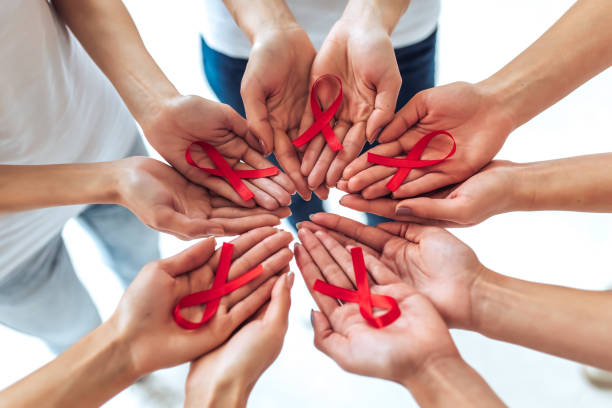
People living with HIV can improve adherence by:
Setting Daily Reminders
Using alarms or smartphone applications can help patients remember medication times.
Linking Medication to Daily Activities
Taking ART at the same time as meals or bedtime routines can improve consistency.
Attending Scheduled Clinic Visits
Regular follow-up appointments allow healthcare providers to monitor treatment progress.
Seeking Support
Support groups, family members, friends, and healthcare workers can provide encouragement and guidance.
HIV Treatment and Public Health in Namibia
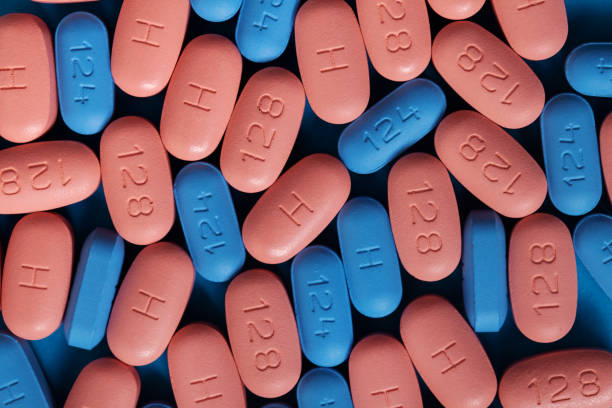
Namibia has made significant progress in HIV prevention, testing, treatment, and care. Through government programs, healthcare facilities, and community-based initiatives, thousands of people have gained access to life-saving ART treatment. Continued efforts focus on:
- Expanding HIV testing services
- Improving treatment access
- Strengthening adherence support
- Reducing stigma
- Promoting public awareness
These initiatives play a vital role in achieving national and global HIV control targets.
Addressing HIV Stigma
Although awareness has improved, HIV-related stigma remains a challenge in many communities. Stigma can:
- Prevent people from getting tested
- Discourage treatment initiation
- Affects mental health
- Reduce treatment adherence
Creating supportive environments and encouraging open conversations about HIV can help individuals seek care without fear of discrimination.
The Future of HIV Treatment
Researchers continue to develop new HIV treatment options, including:
- Long-acting injectable ART
- Improved medication combinations
- Preventive therapies
- Potential future cure research
These advances offer hope for even better treatment outcomes in the years ahead.
ART treatment has transformed HIV from a life-threatening disease into a manageable chronic condition for millions of people worldwide. In Namibia, continued access to treatment, strong adherence, and public education remain essential in improving health outcomes and reducing HIV transmission.
By understanding the importance of ART and supporting those living with HIV, communities can help build a healthier future free from stigma and discrimination.
The message remains clear: early testing, timely treatment, and consistent adherence save lives.
People living with HIV often face emotional, financial, and social challenges alongside their treatment journey. Maintaining good mental health is essential for successful ART adherence and overall well-being. At Elcorp Namibia, we encourage readers to also explore our article on mental wellness and emotional health, which provides practical ways to manage stress, anxiety, and personal challenges while living a healthier life. In addition, financial stability can play an important role in accessing healthcare and improving quality of life, which is why readers may also find value in our guide on practical ways to make money and build income opportunities in Namibia and across Africa.
We love hearing from you! Don’t forget to hit that like button, share this with your friends, and drop your thoughts in the comments below. Your feedback means the world to us!