
A war that started in the Middle East is being paid for at petrol stations across Africa.
When the United States and Israel launched coordinated strikes on Iran on 28 February 2026, the explosions were thousands of kilometres away from Nairobi, Windhoek, Lagos and Accra. But within weeks, the shockwaves had arrived — and Africans from Mombasa to Cape Town are now feeling the pain in their pockets every single day.
In Kenya, four people are dead, and dozens are injured after protests over fuel prices paralysed the country. In Nigeria, a taxi driver watched pump prices jump 35% in a matter of weeks. In Namibia, fuel costs are rising, and the pressure on household budgets is intensifying.
This is the story of how a war Africa had no part in starting is reshaping everyday life across the continent — and what it means for ordinary people trying to get by in 2026.
How Did We Get Here?
On 28 February 2026, the United States and Israel launched military strikes on Iran, triggering a conflict that immediately sent global oil markets into turmoil.>
Africa imports more than 70% of its refined fuel products, according to the Africa Finance Corporation. The majority of those imports come from the Middle East — shipped through the Strait of Hormuz, a narrow corridor through which roughly one-fifth of the world’s crude oil passes every single day.
When the war started, tankers began avoiding the Strait of Hormuz. Global oil supply tightened. Prices shot up. And Africa — a continent that produces significant amounts of crude oil but lacks refining capacity — found itself paying the price for a crisis it did not create.
As one analyst put it bluntly: “Africa is hurting again from a global crisis it had no part in starting.”
Kenya: Four Dead, Millions Stranded
Nowhere has the human cost of this crisis been felt more acutely than in Kenya.
Kenya imports almost all of its fuel from the Middle East through government-to-government agreements with Gulf suppliers — leaving it uniquely exposed to supply disruptions.
The numbers tell a devastating story. Since the war began, diesel costs in Kenya have jumped 50%, and petrol prices have risen 20%. In April alone, Kenya’s energy regulator announced what analysts described as the largest single fuel price adjustment in over 21 years — petrol rose to 206.97 Kenyan shillings per litre while diesel climbed to an all-time high.
Then, in May, came a second hike. Petrol rose again to 214.25 shillings per litre. Diesel reached a staggering 242.92 shillings per litre.
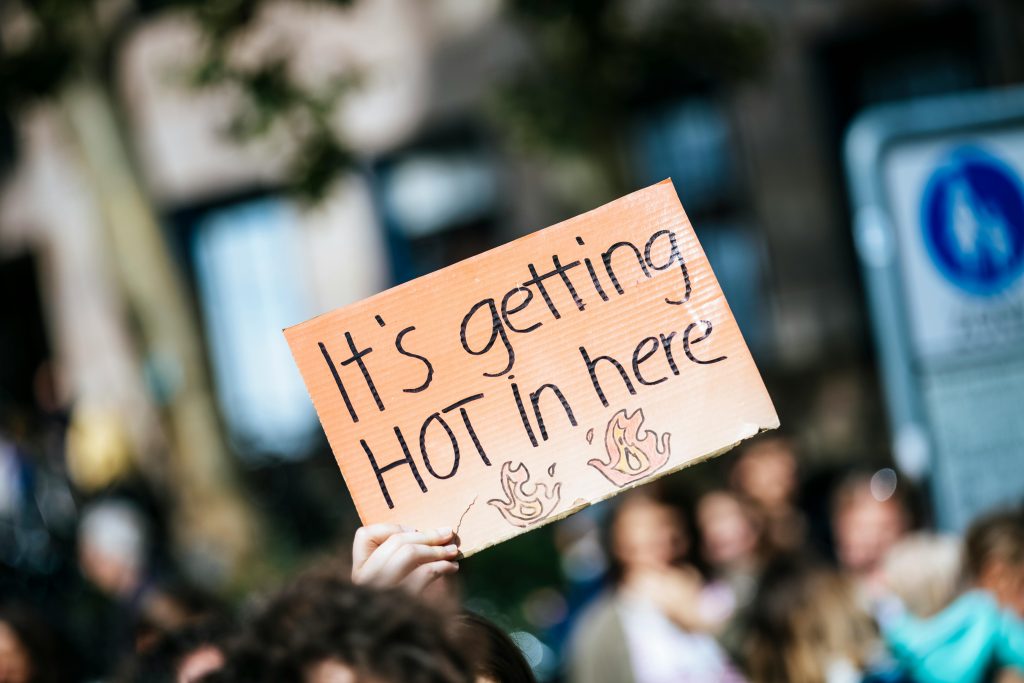
The streets of Nairobi, Mombasa, Nakuru, Eldoret and Kitale erupted.
On 18 May 2026, Kenya’s Transport Sector Alliance called a nationwide strike. Matatus, buses and taxis stopped running from midnight. Millions of commuters across the country were left stranded — forced to walk kilometres to work in the morning heat or simply stay home.
Four people were killed in clashes between protesters and police. Thirty more were injured. Roads were blocked. Business came to a standstill.
“We will not relent. We will push the government to listen to us,” said one matatu driver in Kitale, where the usually busy terminus handling over 1,000 vehicles a day fell completely silent.
President William Ruto attempted to ease tensions by cutting the VAT on fuel from 13% to 8% — temporarily reducing prices at the pump. But analysts warn this is a short-term fix that cannot hold if global oil prices remain elevated.
When the decisions of a regime make it economically impossible for transport operators to serve the public, the paralysis that follows must be laid squarely at the feet of those who govern, said opposition politician Kalonzo Musyoka.
The Ripple Effect: How Every African Pays
Kenya is not alone. The fuel shock is spreading across the continent in ways that affect every African — whether they own a car or not.
When fuel prices rise, transport costs rise. When transport costs rise, the price of food, goods and services rises. It is a chain reaction that hits the poorest hardest.
In Nigeria, Lagos taxi driver Adegbola Isaac watched pump prices reach 1,350 naira per litre — a nearly 35% increase since the Iran war started. With fewer customers who can afford fares, his income has collapsed.
In Ghana, government fuel subsidies are draining state coffers while soaring jet fuel costs are threatening Accra’s ambitions to become a major African aviation hub.
In Malawi, fertiliser cannot reach the farming regions that need it most — threatening the planting season at the worst possible time.
In South Sudan, electricity is being rationed in the capital, Juba. In Mauritius, energy restrictions have been imposed to reduce consumption.
Across the continent, the story is the same. A war Africa did not start is costing Africa dearly.
What About Namibia?
Namibia is not immune. While the country has so far avoided the dramatic scenes seen in Kenya, the underlying pressures are real and building.
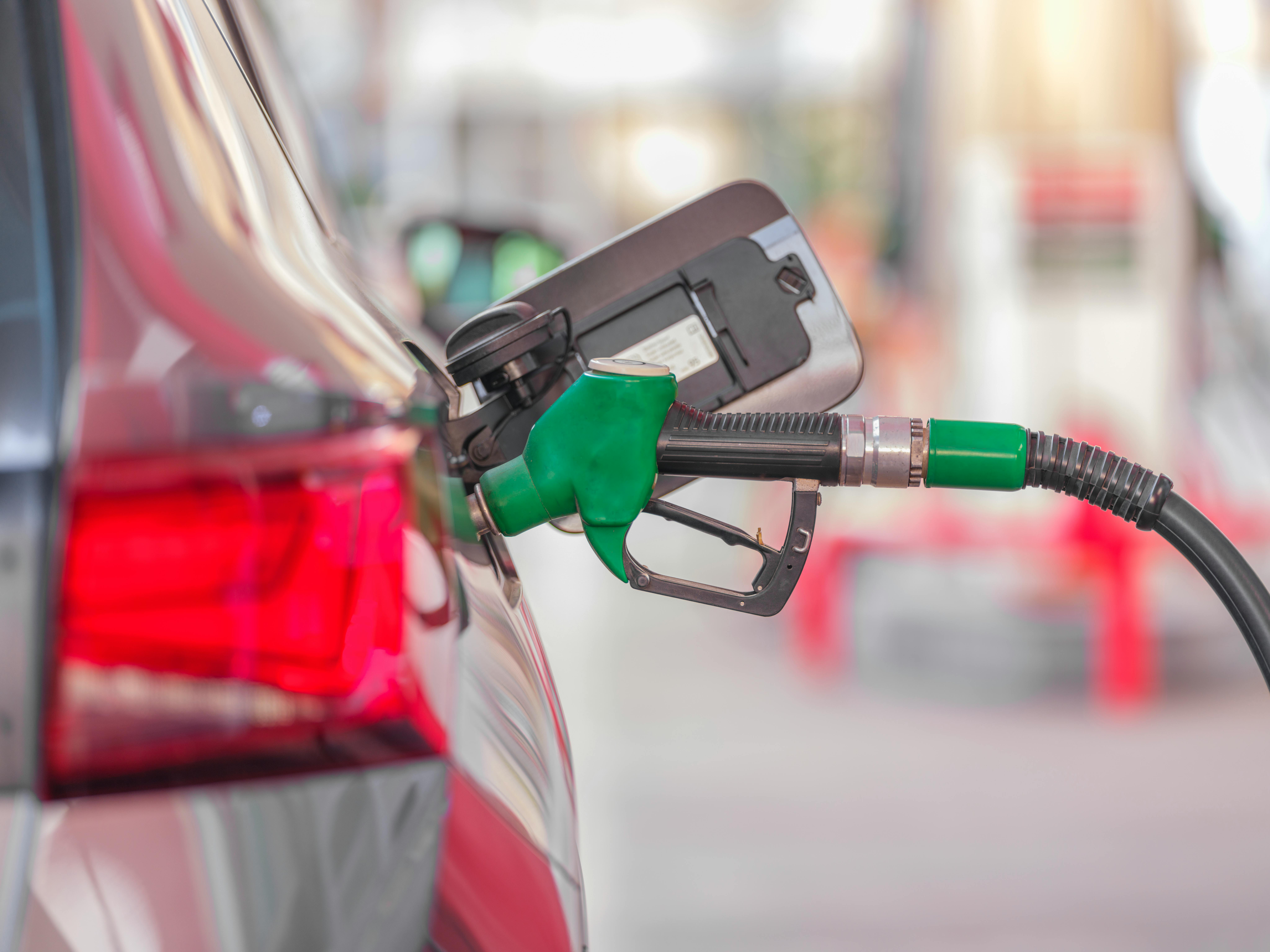
Namibia imports all of its refined fuel. Every time global oil prices rise, Namibia’s fuel bill increases. The Namibia Energy Regulatory Board adjusts pump prices monthly to reflect global movements — meaning every Namibian motorist, transport operator, farmer and business owner is directly exposed to what happens in the Strait of Hormuz.
There is one notable potential upside for Namibia — and for Southern Africa more broadly. With tankers now avoiding the Strait of Hormuz and sailing the longer route around the Cape of Good Hope, ports in the region are seeing increased traffic.
Walvis Bay — Namibia’s main port — is among those that could benefit from increased shipping activity as vessels reroute through Southern African waters. This could create opportunities for port services, logistics and related industries.
But for ordinary Namibians filling up at the pump, the short-term reality is clear: fuel is more expensive, and the pressure on household budgets is real.
Africa’s Deeper Problem: Refining Capacity
The Iran war has exposed a structural vulnerability that African leaders have known about for years but failed to adequately address.
Africa is home to roughly 12% of the world’s oil reserves. Nigeria, Angola, Libya, Algeria, Gabon and others produce millions of barrels of crude oil every day. And yet the continent imports more than 70% of its refined fuel products.
Why? Because Africa lacks refining capacity. It exports raw crude and then buys back expensive refined products — diesel, petrol, jet fuel — at global market prices.
In its 2026 outlook report, the African Energy Chamber warned that the continent might struggle to fully capitalise on its vast oil reserves if it continues exporting low-value crude while importing high-value refined products.
The Iran war has made this message impossible to ignore. Africa cannot keep paying the price for global crises while sitting on some of the world’s largest energy reserves.
The solution — investing massively in African refining capacity — is well understood. Nigeria’s Dangote refinery, one of the world’s largest, represents exactly this kind of strategic investment. But much more is needed, and much faster, if Africa is to protect itself from the next global shock.
Winners and Losers
Not every African country is suffering equally. The Iran war has created both winners and losers across the continent.
The losers are the net fuel importers — Kenya, Uganda, Tanzania, Ghana, Namibia, Mozambique and others — who are paying more for the fuel they need to run their economies.
The potential winners are Africa’s oil producers — Nigeria, Angola, Libya, Algeria, Congo and others — who benefit from higher global oil prices for the crude they export. However, as analysts note, these countries typically import their refined products too, meaning the benefits of higher crude prices are partially cancelled out by higher import costs.
The one clear winner may be Southern Africa’s ports. As global shipping reroutes around the Cape of Good Hope to avoid Middle East conflict zones, Walvis Bay, Cape Town, Durban, Maputo and Dar es Salaam all stand to benefit from increased vessel traffic and port revenues.
What Can Be Done?
African governments are scrambling to respond. The options are limited, and all come with costs.
Fuel subsidies — as used in Kenya and Ghana — provide immediate relief but drain government budgets that are already stretched. They are not sustainable long-term solutions.
Regional fuel sharing agreements could help buffer individual countries against price shocks — but require the kind of political coordination that has historically been difficult to achieve quickly enough to matter.
Accelerating investment in renewable energy — solar, wind and hydro — would reduce Africa’s dependence on imported fossil fuels over the long term. Africa has extraordinary renewable energy potential. But the infrastructure takes years to build.
In the short term, millions of Africans have no choice but to absorb the costs, cut back on spending and hope that the conflict in the Middle East finds a resolution soon.
What This Means for You
Whether you are a matatu driver in Nairobi, a business owner in Windhoek, a farmer in Malawi or a student in Lagos, the Iran war is costing you money you did not budget for, through no fault of your own.
The old cliché has never felt more true: when elephants fight, it is the grass that suffers.
Elcorp Namibia is your home for Africa news that matters. Follow our Facebook page and WhatsApp channel so you never miss an update on this story. While you are here, discover Africa’s fastest-growing economies and learn real ways to make money in Namibia in 2026.
SOURCES:
Have you felt the impact of rising fuel prices in Namibia? Tell us your experience in the comments below — we want to hear from you. 🇳🇦🌍