
Namibia Issues Alert Over Hantavirus Cases in South Africa
The Ministry of Health and Social Services in Namibia has issued an official health alert following reports of Severe Acute Respiratory Infection linked to Hantavirus cases in South Africa.
According to the alert issued on 11 May 2026, the World Health Organization (WHO) notified Namibia about a suspected Hantavirus outbreak connected to a cruise ship that travelled from Argentina to Cape Town. Several passengers reportedly became ill, with some cases later confirmed as Hantavirus infections.
Health authorities are now urging medical facilities, healthcare workers and the public to remain alert and informed about the disease.
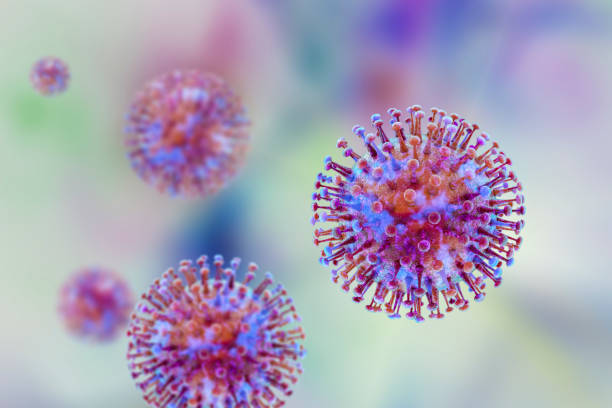
What Is Hantavirus?
Hantavirus is a group of viruses mainly spread by rodents. Humans can become infected through contact with infected rodent urine, saliva or droppings.
The virus can also spread when contaminated dust particles become airborne and are inhaled.
Although Hantavirus infections are considered rare, they can become very serious and potentially life-threatening if not detected early.
Symptoms of Hantavirus
Symptoms usually appear between one and eight weeks after exposure.
Common symptoms include:
- Fever
- Fatigue
- Muscle aches
- Headaches
- Chills
- Nausea or vomiting
- Abdominal pain
- Dry cough
- Difficulty breathing
In severe cases, patients may develop Hantavirus Pulmonary Syndrome (HPS), which can rapidly affect the lungs and breathing.
Some infections can also lead to Hantavirus Fever with Renal Syndrome (HFRS), which affects the kidneys.
How Is Hantavirus Spread?
The Ministry explains that the virus is commonly spread through:
- Contact with infected rodent urine or droppings
- Breathing contaminated dust in enclosed spaces
- Poorly ventilated environments
- Handling contaminated materials without protection
Although rare, human-to-human transmission has been documented in some Hantavirus strains.
Who Is Most at Risk?
People who may be at higher risk include:
- Farm workers
- Cleaners and sanitation workers
- People working in poorly ventilated buildings
- Individuals exposed to rodent-infested areas
- Healthcare workers handling suspected cases
Prevention Tips
The Ministry of Health advises the public to take the following precautions:
1. Control Rodents Around Homes and Workplaces
Keep homes and workplaces clean and seal possible rodent entry points.
2. Avoid Contact With Rodent Waste
Do not touch rodent droppings, urine or dead rodents directly.
3. Improve Ventilation
Open windows and ventilate enclosed spaces before cleaning dusty areas.
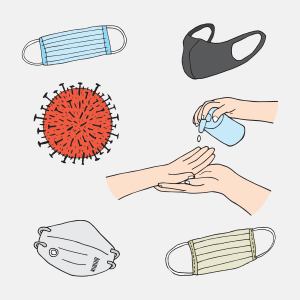
4. Use Protective Equipment
Wear gloves and masks when cleaning areas that may be contaminated.
5. Practice Good Hygiene
Wash hands regularly and disinfect surfaces properly.
What Should You Do If You Have Symptoms?
Anyone experiencing severe flu-like symptoms, especially difficulty breathing after possible exposure to rodents or contaminated environments, should seek medical attention immediately.
Early diagnosis and treatment can significantly improve recovery outcomes.
Namibia Monitoring the Situation
Namibian health authorities have encouraged all healthcare facilities to remain vigilant and report suspected cases quickly.
The Ministry of Health also stressed the importance of early detection, infection prevention and public awareness to limit any possible spread.
At this stage, no widespread outbreak has been reported in Namibia, but citizens are encouraged to stay informed and follow health guidance.
Final Thoughts
The Hantavirus alert serves as an important reminder about public health awareness and disease prevention.
While the risk to the general public remains low, understanding how the virus spreads and taking simple preventive measures can help protect individuals, families and communities.
Elcorp Namibia will continue monitoring developments and provide updates as more information becomes available.
For more Namibia updates, read our guide on making money online in Namibia.