
🚨🚨🚨🚨🚨
The World Health Organization (WHO) has declared the Ebola outbreak affecting the Democratic Republic of Congo (DRC) and Uganda a Public Health Emergency of International Concern (PHEIC) following a rise in suspected infections and deaths across the region.
According to official WHO reports released on May 17, 2026, health authorities have recorded 246 suspected cases, 80 suspected deaths and 8 laboratory-confirmed infections linked to the Bundibugyo strain of the Ebola virus.
The outbreak has raised concern across Africa as neighboring countries strengthen surveillance systems and emergency preparedness measures to prevent further spread.
What Is Happening in Congo and Uganda?
The current outbreak has mainly affected parts of eastern Democratic Republic of Congo and areas linked to Uganda, where health officials are monitoring suspected transmission chains.
The WHO says the outbreak involves the Bundibugyo strain of Ebola — a less common strain compared to the Zaire strain responsible for several previous deadly outbreaks in Africa.
Although only 8 cases have been officially confirmed through laboratory testing so far, hundreds of suspected infections are still under investigation.
Health authorities are also concerned about:
- Cross-border travel
- Population displacement
- Mining activity in affected regions
- Limited healthcare infrastructure
- Delayed case detection
These factors could make containment more difficult if the outbreak expands further.
Key Facts About the Ebola Outbreak
- Date declared: May 17, 2026
- Countries affected: Democratic Republic of Congo and Uganda
- Suspected cases: 246
- Suspected deaths: 80
- Confirmed cases: 8
- Virus strain: Bundibugyo Ebola strain
- WHO status: Public Health Emergency of International Concern (PHEIC)
The WHO says the risk level remains serious due to regional travel and the possibility of further spread if containment measures fail.
What Is the Bundibugyo Ebola Strain?
The Bundibugyo strain is one of several known strains of the Ebola virus. It was first identified in Uganda in 2007.
While experts say it may have a lower fatality rate than the Zaire strain, there are still major concerns because:
- vaccine access remains limited,
- treatment options are not widely available,
- and outbreaks can spread rapidly without strong containment measures.
Symptoms of Ebola may include:
- Fever
- Severe fatigue
- Muscle pain
- Headaches
- Vomiting
- Diarrhea
- Stomach pain
- Bleeding in severe cases
The disease spreads through direct contact with infected bodily fluids or contaminated surfaces.
Why This Outbreak Matters
Health experts say the outbreak is especially concerning because of increased movement between African countries and limited healthcare resources in some affected communities.
Mining regions, refugee movement and densely populated urban areas could increase the risk of transmission if emergency response systems are overwhelmed.
The WHO has urged African countries to strengthen:
- disease surveillance,
- border monitoring,
- emergency healthcare response,
- laboratory testing,
- and public awareness campaigns.
International health agencies including the CDC are also monitoring the situation closely.
Could Namibia Be at Risk?
At this stage, no Ebola cases have been reported in Namibia.
However, public health experts warn that regional travel and cross-border movement across Africa require continued vigilance.
Namibia may increase preparedness measures at:
- airports,
- border entry points,
- and healthcare facilities
if the regional risk level rises further.
Health authorities are encouraging healthcare workers and the public to remain informed while avoiding panic or misinformation.
How to Protect Yourself
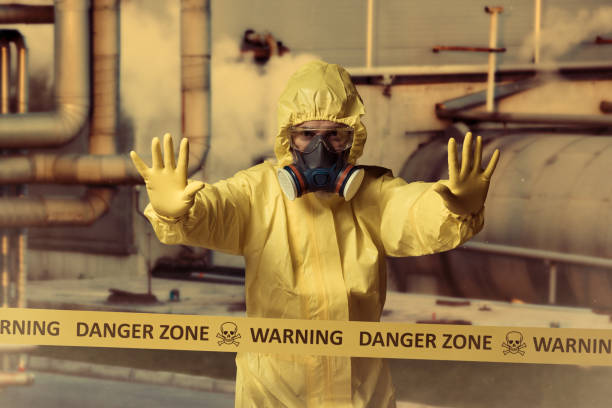
Health experts recommend the following precautions:
- Wash hands regularly using soap or alcohol-based sanitizer
- Avoid direct contact with blood or bodily fluids of infected individuals
- Avoid contact with contaminated surfaces and medical waste
- Follow official travel advisories from WHO and CDC
- Seek medical attention immediately if symptoms develop after travel to affected areas
Early detection and rapid isolation remain critical in controlling Ebola outbreaks.
WHO Continues Monitoring the Situation
The World Health Organization says response teams are already working with local governments and international partners to strengthen outbreak containment efforts.
At this stage, the Ebola outbreak has not been classified as a global pandemic, but authorities continue monitoring the situation closely as investigations and containment measures continue.
Healthcare systems across Africa are being encouraged to remain prepared while public health officials work to limit transmission and protect vulnerable communities.
Read more from WHO official statements.
As always, do not forget to leave a comment and share to fellows.